
Summary:
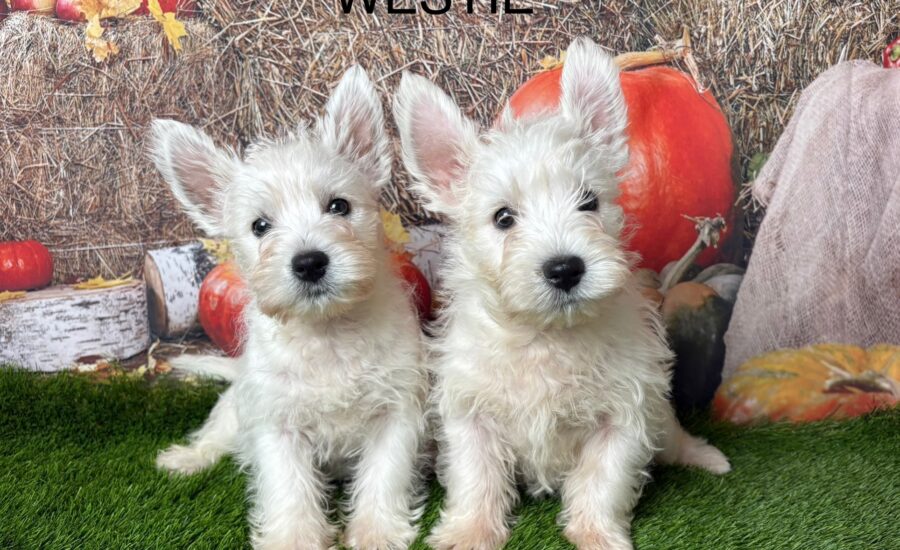
Watching a Westie wait quietly by the door can feel heartbreaking, but it often shows love rather than sadness. These loyal dogs form deep emotional connections and rely on scent, routine, and familiarity. Understanding the reasons behind this behaviour helps owners provide comfort, reassurance, and a happier environment for their devoted companion.
Introduction
Have you ever walked into a room and noticed that your Westie is sitting quietly by the front door, staring at it as if they are waiting for someone? Well, if you are searching online for Westies for sale, you get an emotional pet along with a cheerful, independent companion. In case you are wondering why your furry friend keeps returning to the door, there’s a touching explanation behind it, and we are going to walk you through that in this guide.
More than Just Waiting
Your West Highland Terriers may be small, but they form enormous emotional bonds with their families. Despite their confident personality, Westies are deeply attached to the people they love. When you leave for work, pop out for shopping, or even step outside briefly, your Westie notices, and dogs don’t understand time the way humans do; they rely on routines, scents, sounds, and emotional patterns. In fact, the door becomes a symbol of the place where you disappeared and where you always return.
For your Westie, waiting by the door isn’t simply a habit; it is hope.
Their Powerful Sense of Smell and Memory
Dogs experience the world through scent, and your Westie recognises your scent around the doorway and associates it with comfort and security. Even after you have left, traces of your scent linger. Sitting by the door may help your dog feel closer to you, and here’s what the table describes:
| Westie Behaviour | Possible Meaning |
| Sitting by the front door | Wait for your return |
| Listening for sounds | Recognising familiar footsteps |
| Carrying your belongings | Seeking comfort from your scent |
| Pacing near exists | Mild separation stress |
Could It Be Separation Anxiety?
Not every door-watching Westie is anxious. However, if the behaviour comes with pacing, whining, barking, or destructive chewing, loneliness could be playing a role. Keeping them mentally stimulated with toys, routines, and interactive play can make a difference, and as a pet parent, you can do that!
A Bond Built on Love
Your little Westie that’s waiting by the door isn’t being dramatic; they are showing loyalty in its purest form. Are you looking for a devoted companion of your own? Visit Douglas Hall Kennels to learn more about finding your perfect Westie. If you are searching for a West Highland terrier for sale, their experienced team can help you meet your newest family member.
FAQs
1. Do Westies naturally become attached to one person?
Westies often bond closely with one family member but usually remain affectionate and loyal to the entire household.
2. How long can a Westie comfortably stay alone?
Most adult Westies manage a few hours alone, but long periods without interaction may lead to boredom or stress.
3. Can waiting by the door become a habit?
Yes. Dogs thrive on routines, and repeatedly seeing family members leave and return can create a door-waiting habit.
4. What toys help reduce separation boredom in Westies?
Puzzle feeders, treat-dispensing toys, snuffle mats, and interactive games help keep their minds engaged.
